
What makes a lapel pin “luxury” in the first place?
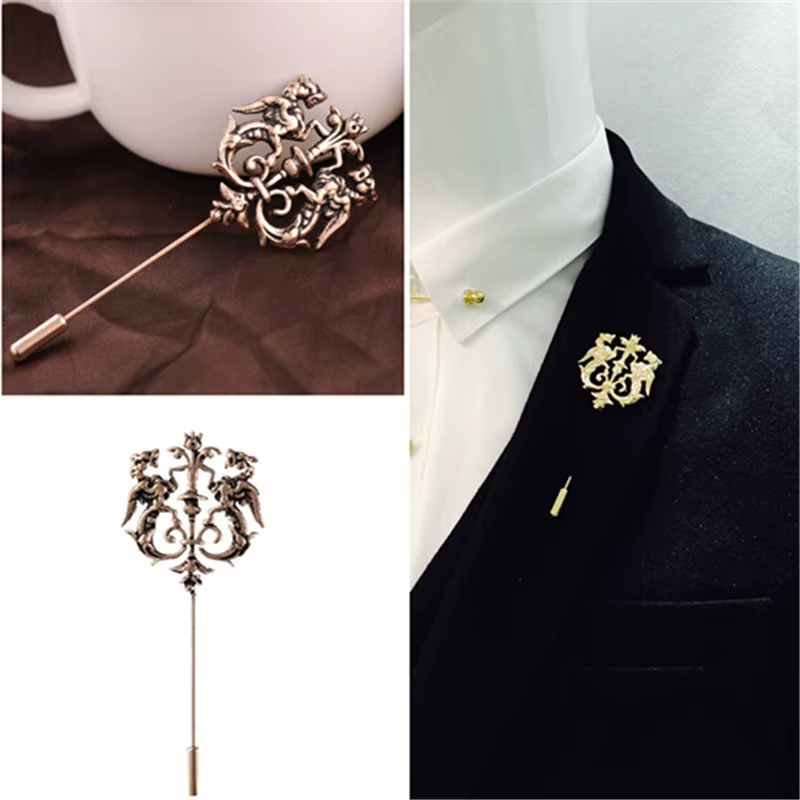
A lapel pin is considered luxury when its materials, finishing, and build quality create a noticeably higher-end look and feel. That usually means cleaner lines, richer plating, better color matching, and tighter tolerances.
Luxury also shows up in the details. When creating luxury custom lapel pins, brands often focus on custom Pantone-matched enamel, sharper die-struck edges, higher-grade clutches, and packaging that feels like part of the product rather than an afterthought.
Who typically benefits most from luxury custom lapel pins?
Luxury pins make the most sense for brands and individuals who use them as a visible signal of identity, credibility, or membership. That includes premium retail, luxury hospitality, private clubs, executive gifting, and high-end events.
They also suit organizations that treat pins as collectibles or awards, where perceived value matters as much as the design itself.
Do luxury pins actually look better in real life and on camera?
Yes, when they are well-made, luxury pins tend to look better both in person and in photos. Smoother plating reflects light more evenly, high-polish finishes create depth, and clean enamel fills reduce the “cheap” look that shows up under bright lighting.
They are also more forgiving for close-ups, which matters when the pin appears on product pages, PR photos, or social media.
What materials and finishes drive the price up?
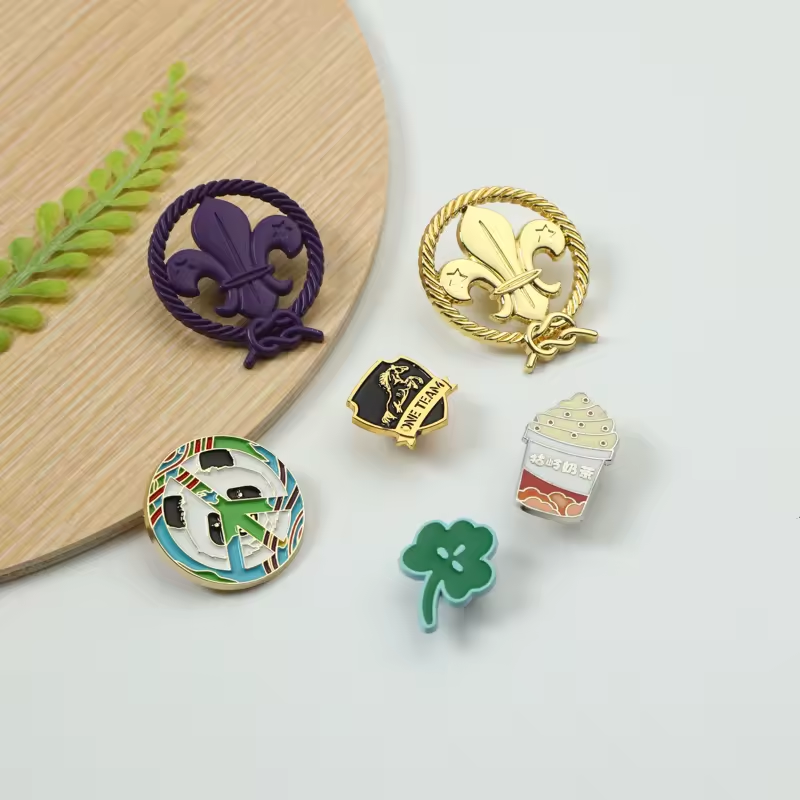
Price typically rises with higher-end base metals, more complex plating, and advanced color or texture work. Common upgrades include thicker metal, hard enamel, two-tone plating, sandblasting, recessed enamel, and diamond-cut edging.
Add-ons like crystal settings, hinged parts, or layered construction can also push the cost up fast, especially if the design requires multiple molds or extra assembly steps.
Is durability meaningfully better with luxury lapel pins?
It can be, depending on how they are specified. Hard enamel, thicker plating, and stronger posts generally hold up better to daily wear, friction, and minor drops.
That said, “luxury” does not automatically guarantee durability. If they want long-lasting pins, buyers should ask for plating thickness, enamel type, scratch resistance expectations, and the right backing for the garment weight.
What role does design complexity play in whether the upgrade is worth it?
Design complexity is one of the best reasons to go luxury. Intricate logos, fine typography, gradients, micro-details, or minimal designs with lots of negative space demand higher precision to look right.
If the design is simple and bold with large color blocks, a standard pin can often deliver a similar visual impact for less money.
Are luxury custom lapel pins a smart branding investment?
They can be, if the pin is used as a brand touchpoint rather than just a giveaway. A premium pin can reinforce a premium price position, improve perceived brand quality, and make recipients more likely to keep and wear it.
The value increases when they distribute pins strategically, such as employee recognition, VIP access, milestone rewards, or limited drops tied to a campaign.
How should buyers compare luxury pins to standard pins objectively?
They should compare samples side-by-side and focus on measurable differences. The most useful checks are edge sharpness, enamel levelness, plating consistency, color accuracy, and back-post alignment.
They should also inspect the backing and wear test it for a few days. If the pin spins, scratches quickly, or arrives with small defects, paying more did not buy better execution.
What hidden costs should be considered before ordering?
Luxury pins often come with higher setup costs, more revisions, and longer production timelines. Packaging, custom cards, velvet pouches, and presentation boxes can add a surprising amount to the per-unit price.
Shipping, duties, and remake policies matter too. If they are ordering for an event date, they should price in buffer time for sampling, revisions, and any production slip. Click here to get about custom car grille badges: how to elevate your vehicle branding.
When are luxury custom lapel pins not worth the money?
They are usually not worth it for mass giveaways where most recipients will not keep them. They are also a poor fit if the design will change frequently, since tooling and setup costs become repetitive waste.
If the goal is purely functional identification for a large group, standard pins or alternative items can achieve the purpose without paying for premium finishing.
What practical checklist helps ensure the investment pays off?
They should start by defining the pin’s job: collectible, award, retail item, or brand signal. Then they should request a pre-production sample, confirm enamel type, specify plating, and approve colors using a clear standard.
They should also choose a backing that matches usage and garment type, and confirm quality control standards in writing. If the supplier cannot explain tolerances and defect handling clearly, “luxury” is just a label.
So, are luxury custom lapel pins worth the investment?
They are worth it when the pin represents status, celebrates achievement, or supports a premium brand experience. In those cases, better finishing and presentation can translate into higher perceived value and longer wear time.
They are not worth it when volume and cost-per-impression matter more than craftsmanship. The best decision comes from comparing real samples and matching the build to how recipients will actually use the pin.
FAQs (Frequently Asked Questions)
What defines a luxury custom lapel pin compared to a standard pin?
A luxury custom lapel pin is distinguished by superior materials, finishing, and build quality that create a noticeably higher-end look and feel. This includes cleaner lines, richer plating, precise color matching, tighter tolerances, custom Pantone-matched enamel, sharper die-struck edges, higher-grade clutches, and premium packaging integrated as part of the product experience.
Who benefits most from investing in luxury custom lapel pins?
Luxury pins are ideal for brands and individuals who use them as visible signals of identity, credibility, or membership. Typical beneficiaries include premium retail brands, luxury hospitality venues, private clubs, executive gifting programs, high-end events, and organizations that treat pins as collectibles or awards where perceived value is critical.
Do luxury lapel pins offer better visual appeal both in person and on camera?
Yes. Well-crafted luxury pins feature smoother plating that reflects light evenly, high-polish finishes that add depth, and clean enamel fills that avoid the cheap appearance often seen under bright lighting. These qualities make them more visually appealing in real life and especially forgiving in close-up photography for product pages, PR materials, or social media.
Which materials and finishes contribute to the higher cost of luxury lapel pins?
Higher prices stem from premium base metals with thicker gauges, complex plating techniques like two-tone or diamond-cut edging, advanced color or texture work such as sandblasting or recessed enamel, and additional elements like crystal settings or hinged parts. Designs requiring multiple molds or extra assembly steps also increase costs significantly.
Is durability significantly better with luxury lapel pins compared to standard ones?
Durability can be enhanced with luxury pins if specified correctly—using hard enamel, thicker plating layers, stronger posts, and appropriate backings suited to garment weight. However, ‘luxury’ does not guarantee durability automatically; buyers should verify plating thicknesses, enamel types, scratch resistance expectations, and backing quality to ensure long-lasting wear.
How can buyers objectively compare luxury custom lapel pins to standard options?
Buyers should perform side-by-side comparisons focusing on measurable factors such as edge sharpness, enamel levelness, plating consistency, color accuracy against Pantone standards, and back-post alignment. Testing the backing for secure attachment over several days helps assess wearability. If a pricier pin spins excessively or shows defects upon arrival, it indicates poor execution despite the higher cost.
